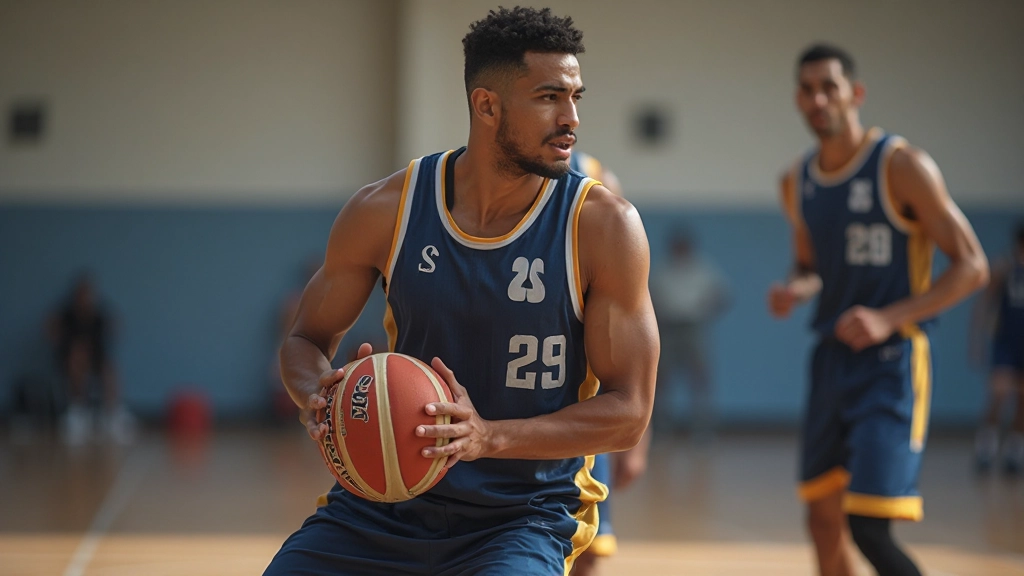
Advanced Ball Handling and Court Control Techniques
Develop superior dribbling skills and ball control through progressive drills designed to improve court awareness, defensive evasion, and offensive creation ability.
Read ArticleDevelop consistent and accurate shooting techniques through understanding proper stance, release mechanics, and follow-through principles. This comprehensive overview covers the essential components that form the foundation of effective scoring performance in basketball.
The foundation of effective shooting begins with proper foot positioning and body alignment. A stable stance provides the platform from which all shooting motion originates, enabling consistent force transfer and repetitive accuracy development.
Proper stance fundamentals include:
Consistent practice of proper stance mechanics allows players to develop muscle memory that translates across varied court positions and game situations. This foundational element becomes especially important when attempting shots under defensive pressure or from different court locations.
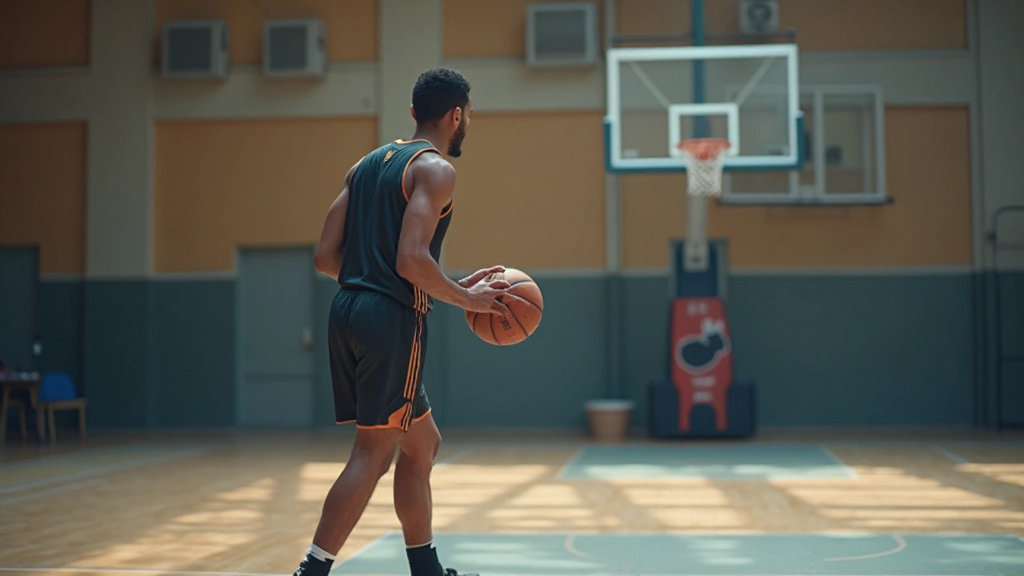
The release point represents the critical moment when the ball leaves the shooter's hands. This phase of the shooting motion directly influences trajectory, arc, and consistency. Understanding proper hand positioning and release mechanics enables players to develop shots with appropriate elevation angles and rotation characteristics.
Release mechanics involve several coordinated movements. The shooting arm rises in a smooth motion with the elbow positioned beneath the ball. The wrist maintains proper flexion to create backspin, which contributes to ball control and consistency. The shooting motion integrates the lower body force through the legs and core into upper body extension.
An elevated release point (approximately 10-12 feet high for jump shots) reduces defender interference and creates a steeper angle toward the basket. The release should occur at the peak of the jumping motion, allowing full extension of the shooting arm. Consistent hand positioning throughout the motion supports development of repeatable shooting patterns.
Different shot types may require slight variations in release mechanics. A quick release from three-point range differs from a mid-range or paint shot in terms of timing and force application. However, the fundamental principles of proper alignment, smooth extension, and backspin remain consistent across shot distances.
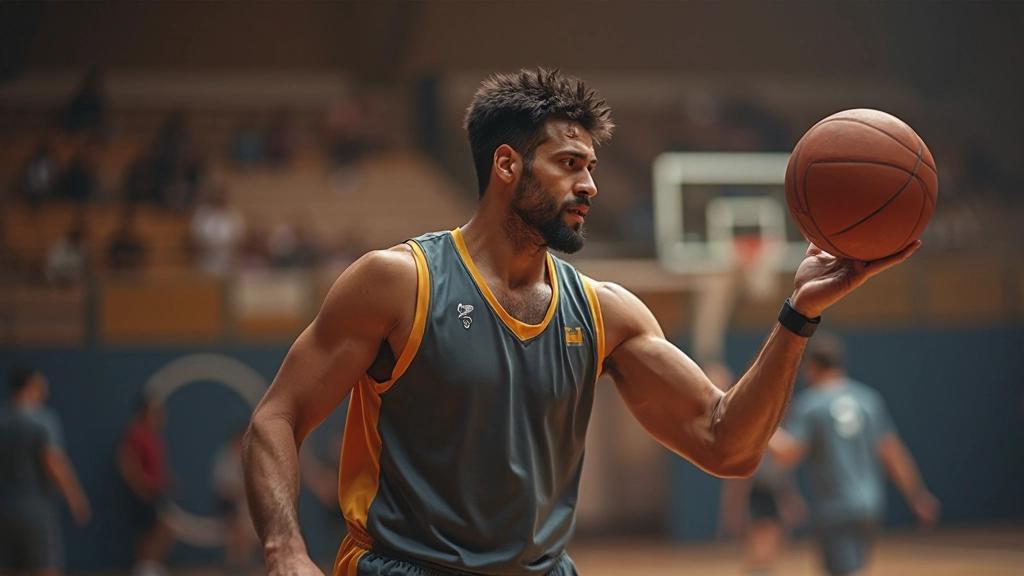
Follow-through represents the continuation of the shooting motion after the ball leaves the hands. While the ball's flight cannot be influenced after release, maintaining proper follow-through mechanics contributes to consistency and serves as a quality control indicator for shot execution.
An effective follow-through involves several components working in sequence:
Quality follow-through habits support the development of reliable shooting mechanics that transfer effectively across game situations. Players who consistently execute proper follow-through patterns develop increased confidence and accuracy in their shooting performance.
Developing consistent shooting mechanics requires structured practice that emphasizes repetition with proper form. Progressive practice methods allow players to build fundamental skills before introducing game-speed complexity or defensive pressure elements.
Effective shooting practice incorporates several progressive stages, beginning with stationary shooting from close range and gradually expanding distance and complexity as mechanics become established. Drill variations should address different shot types, court positions, and game scenarios to develop comprehensive shooting ability.
Begin with close-range shooting (5-8 feet) emphasizing perfect mechanics without fatigue interference. Focus on consistent footwork, proper release point, and follow-through execution.
Gradually increase shooting distance from the basket as mechanics become established. Practice from mid-range before extending to three-point distance, maintaining consistent form throughout.
Incorporate movement-based shooting drills that simulate game conditions. Add defensive elements, fatigue factors, and time constraints to develop reliable mechanics under pressure.
Consistent shooting development requires patience and deliberate practice focused on mechanical fundamentals. Video analysis and feedback mechanisms help players identify inconsistencies in their shooting mechanics, enabling targeted improvement in specific technical areas. Regular assessment of shooting performance across various distances and situations provides objective measurement of skill development progress.
This content provides educational information regarding basketball shooting mechanics and skill development approaches. It is presented for informational purposes to support understanding of general basketball training concepts and methods.
Individual skill development outcomes vary based on numerous factors including prior experience, practice frequency, coaching quality, and physical attributes. The information presented represents general guidelines and educational material, not personalized instruction or professional coaching services. Players seeking specialized coaching should consult qualified basketball instructors or coaches who can provide individualized assessment and guidance.
Mastering fundamental shooting mechanics represents a cornerstone of basketball skill development. The integration of proper stance, optimized release point, and consistent follow-through creates the technical foundation upon which reliable scoring ability is built.
Developing these mechanics requires sustained commitment to deliberate practice emphasizing proper form and technique. By understanding the components of effective shooting mechanics and implementing structured practice methods, players can progressively develop more consistent and accurate shooting performance. The principles outlined in this overview provide the framework for approaching shooting skill development in a systematic and technically sound manner.