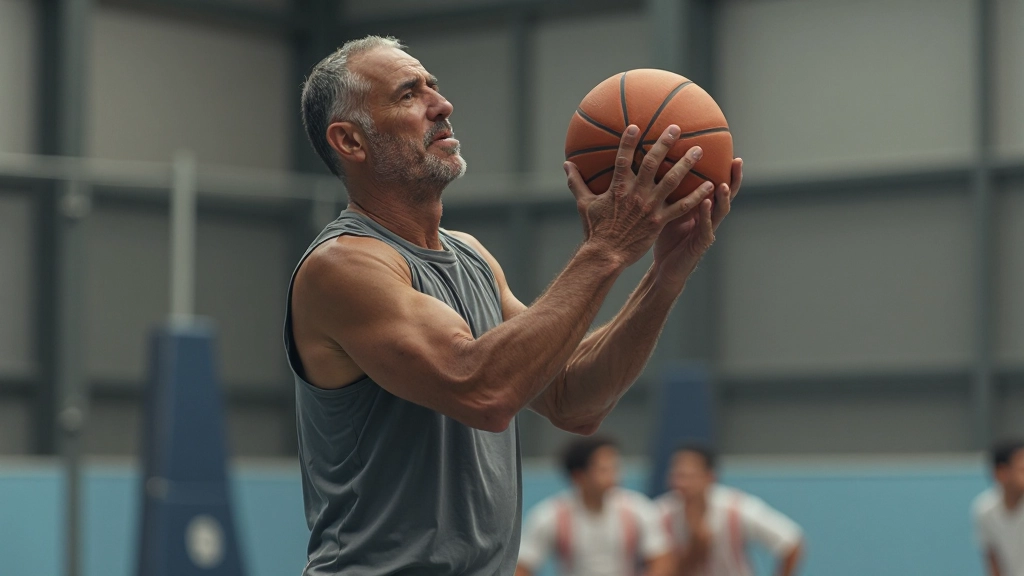
Fundamental Shooting Mechanics for Court Mastery
Learn the essential shooting techniques including stance, release point, and follow-through mechanics for consistent shooting performance and competitive execution.
Read ArticleDevelop comprehensive conditioning frameworks and recovery strategies to optimize player fitness levels, endurance capacity, and injury prevention during intensive training cycles.
Athletic conditioning represents a systematic approach to developing the physical capacities necessary for optimal sports performance. Comprehensive conditioning programs address multiple physiological dimensions including cardiovascular endurance, muscular strength, power development, agility, and movement efficiency. These interconnected systems work synergistically to enhance an athlete's ability to perform at elevated intensities while maintaining technical proficiency and reducing injury risk.
Modern conditioning philosophy emphasizes periodized training structures that manipulate training variables strategically across specific phases. This approach allows coaches to manage fatigue accumulation, peak athletes for competitive seasons, and balance high-intensity work with adequate recovery. The foundation of effective conditioning programs rests on understanding individual athlete characteristics, sport-specific demands, and training age.

Periodization represents a structured framework for organizing training content across specific time blocks, each with distinct objectives and training characteristics. This systematic planning approach prevents performance plateaus, manages accumulated fatigue, and allows progressive overload while maintaining athlete health. The macrocycle typically spans an entire competitive season, subdivided into mesocycles of 3-6 weeks and microcycles of individual training weeks.
Establishes aerobic foundation, develops muscular endurance, and improves movement quality. Training intensity remains moderate with emphasis on technical execution and general fitness.
Focuses on maintaining acquired fitness while emphasizing sport-specific power, tactical execution, and competitive readiness. Training volume decreases while intensity remains elevated.
Provides active recovery and mental restoration following competitive season. Includes varied activities and reduced training stress to facilitate adaptation and regeneration.
Within these macrocyclic phases, specific training blocks target distinct adaptations. The accumulation block prioritizes building aerobic capacity and muscular endurance through moderate-intensity work. The intensification block shifts focus toward developing power and competitive-intensity capacities. The realization block emphasizes competitive preparation and tactical execution while maintaining elevated fitness levels.
This content provides educational information about athletic conditioning and recovery principles. It does not constitute professional coaching advice, medical guidance, or personalized training recommendations. Individual circumstances vary considerably, and what proves effective for one athlete may require modification for another based on unique characteristics, training history, and goals.
Implementation of conditioning programs should occur under qualified supervision from certified coaches and sports medicine professionals. Medical conditions, previous injuries, and individual physiological responses require professional assessment before beginning any new training regimen. Consult appropriate professionals before making significant changes to training protocols.
Recovery represents an essential yet often underemphasized component of athletic development. The adaptive response to training stress occurs during recovery periods, not during the training stimulus itself. Without adequate recovery, athletes experience persistent fatigue, performance decline, elevated injury risk, and compromised immune function. Comprehensive recovery protocols address multiple recovery dimensions including sleep, nutrition, psychological restoration, and active recovery strategies.
Sleep represents the most potent recovery intervention available, facilitating hormonal restoration, neuromuscular recovery, immune system optimization, and cognitive processing. Elite athletes typically require 8-10 hours of sleep nightly, with consistency in sleep schedules supporting optimal circadian rhythm function. Sleep deprivation compromises reaction time, decision-making accuracy, pain perception, and hormonal balance—all critical for athletic performance and injury prevention.
Nutritional strategies directly support physiological recovery processes through carbohydrate replenishment, protein synthesis support, micronutrient repletion, and hydration restoration. Post-exercise nutrition timing influences muscle glycogen resynthesis rates and protein synthesis responses. Adequate daily energy intake, macronutrient balance, and micronutrient sufficiency establish the metabolic foundation enabling training adaptations.
Effective conditioning programs incorporate systematic monitoring of recovery status through objective and subjective measures. Resting heart rate elevations suggest incomplete recovery and warrant training load reduction. Heart rate variability measurements indicate nervous system recovery state. Athlete self-reported measures including sleep quality, muscle soreness, and perceived fatigue provide valuable information for training adjustment. Performance testing throughout training cycles reveals adaptation progress and identifies potential overtraining states before performance decline occurs.
While fundamental conditioning principles apply across sports, implementation varies considerably based on sport-specific demands. Basketball requires exceptional anaerobic power for vertical jumping, rapid acceleration-deceleration movements, and high-intensity interval work. The sport's repetitive nature demands robust injury prevention protocols addressing lower extremity loading and rotational movement demands.
Basketball involves repeated high-intensity efforts lasting 10-30 seconds with brief recovery intervals, demanding robust aerobic and anaerobic capacity.
Constant acceleration, deceleration, lateral movement, and jumping create specific physiological demands requiring targeted conditioning emphasis.
Conditioning work must occur within sport-specific contexts, maintaining technical execution during fatigued states replicating competitive conditions.
Basketball-specific conditioning addresses anterior knee loads, ankle stability, rotational control, and lower extremity injury prevention.
Successful conditioning program implementation requires individualization based on athlete age, training experience, current fitness level, and position-specific demands. Effective coaches assess individual characteristics before program design, monitor response throughout implementation, and adjust protocols based on observed outcomes. This adaptive approach ensures programs remain appropriately challenging while supporting long-term athletic development.
Comprehensive conditioning programs and recovery protocols represent essential components of athletic development, enabling performance enhancement while supporting injury prevention and long-term athlete health. Systematic periodization organizes training progressions across distinct phases, each emphasizing specific physiological adaptations while managing fatigue accumulation. Robust recovery protocols addressing sleep, nutrition, active recovery, and monitoring systems facilitate physiological adaptation and sustained performance development.